- info@aza.org.uk
- United Kingdom,London
- +44 750 309 23 22


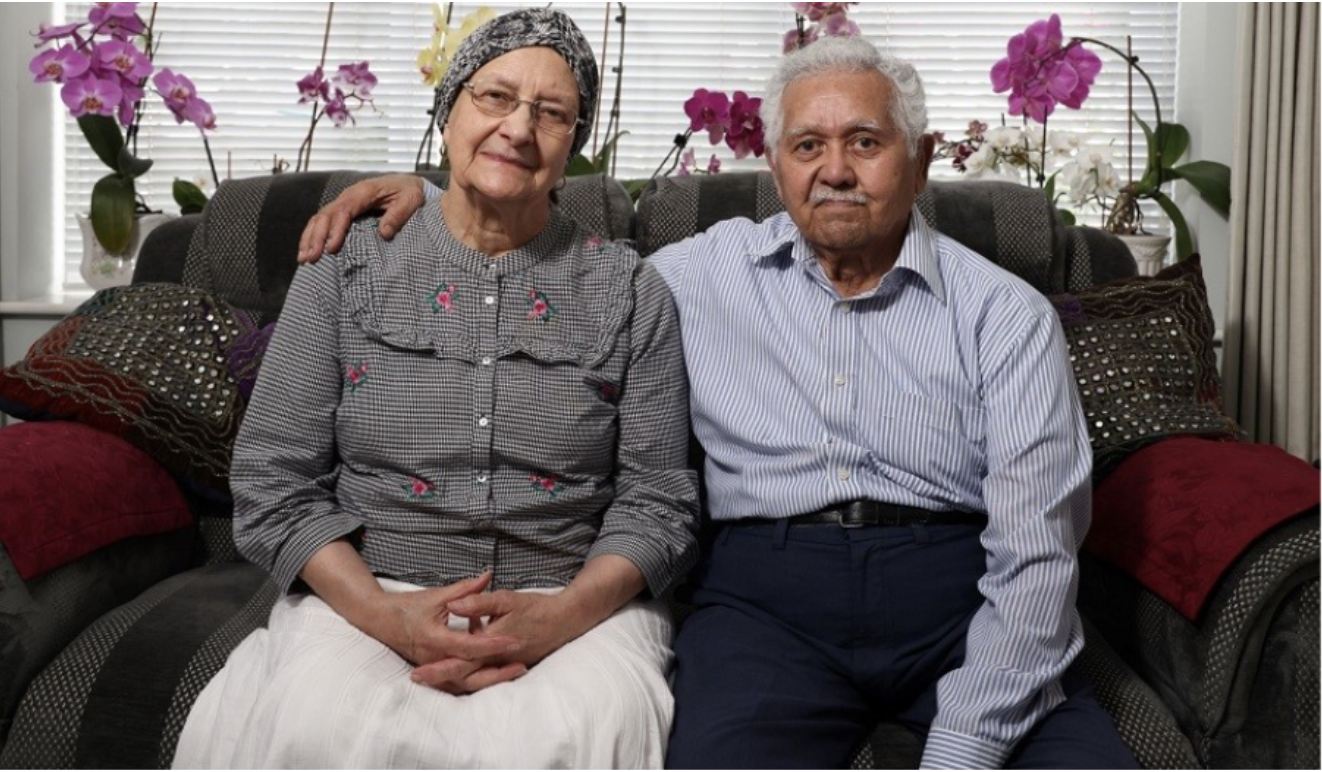
Being told that you have dementia can be one of the most emotional moments in a person’s life. You may feel shocked, frightened, confused, angry, or completely numb. You may have expected the diagnosis, or it may have come as a surprise. You may also feel relieved that there is finally an explanation for the changes you or your family have noticed.
Whatever you are feeling, please know this: your reaction is valid. There is no correct way to respond to a dementia diagnosis.
A diagnosis of dementia does not mean that your life ends today. It does not mean that you suddenly stop being yourself. You are still the same person, with your own history, personality, relationships, humour, preferences, values, and dreams. Dementia may bring changes, but it does not take away your identity.
Once you have received the official diagnosis, there is a series of highly recommended steps to be taken:
1. Absorb the information
2. Share the news
3. Find answers to your questions
4. Think about future steps
5. Adjust daily life
6. Take care of your emotional wellbeing and relationships
7. Remember: everyone's journey is different
8. Hold on to hope
Absorb the information
The first thing to do is give yourself time. You do not need to make every decision immediately. You do not need to understand everything in one day. It is completely normal to need space to process the news. Some people want to talk straight away; others need quiet time. Some people cry, some become practical, and some do not know what they feel at first. All these reactions are human.
Share the news
When you feel ready, try to speak to someone you trust. This may be a partner, child, close friend, sibling, neighbour, or professional. You do not have to carry the diagnosis alone. Sharing the news can feel difficult, but it can also open the door to support, understanding, and planning together.
Find answers to your questions
It may help to write down your questions before your next appointment. For example, you might want to ask:
What type of dementia do I have?
What symptoms might I experience?
Are there treatments or medications that could help?
What support is available locally?
Who should I contact if things change?
Having your questions written down can make appointments feel less overwhelming.
Think about future steps
Another important step is to arrange follow-up care. This may involve your GP, memory clinic, neurologist, psychiatrist, dementia nurse, occupational therapist, or social care team. Ask whether you will have a care plan and who will be responsible for supporting you. A care plan can help identify your needs, your strengths, your preferences, and the support that may help you live well.
It is also useful to think about practical matters, but gently and step by step. This might include reviewing medication, organising important documents, discussing future care wishes, arranging financial support, or considering legal planning such as Lasting Power of Attorney. These conversations can feel uncomfortable, but they are not about giving up control. They are about protecting your choices and making sure your voice is heard in the future.
Maintain your sense of self
At the same time, do not let the diagnosis take over your whole life. You are not only a person with dementia. You are a person with interests, relationships, abilities, memories, and experiences. Keep doing the things that bring meaning to your day. This may be walking, music, cooking, gardening, prayer, art, reading, spending time with grandchildren, meeting friends, or simply enjoying a familiar routine.
Adjust daily life
Small changes can make daily life easier. Keeping a calendar, using reminder notes, setting phone alarms, labelling cupboards, keeping keys in the same place, and maintaining a regular routine can all support independence. These are not signs of weakness. They are tools that help you stay confident and in control.
Take care of your emotional wellbeing and relationships
It is also important to look after your emotional wellbeing. A dementia diagnosis can affect mood, confidence, and self-esteem. You may worry about the future or feel that others will treat you differently. If you feel low, anxious, or isolated, speak to your GP or another trusted professional. Emotional support matters just as much as medical care.
Family members and friends may also need support. They may not always know what to say or how to help. Open conversations can make a big difference. You might want to tell them what kind of support feels helpful — perhaps patience, reminders, company at appointments, or simply being treated normally.
Remember: Everyone’s journey is different
Remember, dementia affects people differently. Some people continue working for a while. Some continue travelling, volunteering, learning, creating, and enjoying social life. The journey is different for every person, and support should be shaped around you — not around fear or stereotypes.
Hold on to hope
Most importantly, do not lose hope. There are services, charities, healthcare professionals, community groups, researchers, and support networks working every day to help people with dementia live well. You do not need to know everything today. You only need to take one step at a time.
A dementia diagnosis is not the end of your story. It is a new chapter — one that should be met with dignity, kindness, planning, and support.
You are still you. You still matter. Your voice still matters. And you should never have to walk this journey alone.
By: Dr.Aygun Badalova




© Copyright 2021. Made by Mr.Josh